Study in Australia’s sunniest university destination — where world-class education meets an unbeatable lifestyle
If you’re weighing up your options for studying in Australia from Nepal, the University of the Sunshine Coast (UniSC) might just be the best decision you haven’t made yet. With five campuses across South East Queensland, over 150 programs, and a string of rankings that put it ahead of universities three times its size, UniSC is quietly becoming one of Australia’s most compelling study destinations for international students.
Here’s everything you need to know for 2026.
A University Built Differently
UniSC opened its first campus on the Sunshine Coast in 1996 — young by university standards, and proud of it. That youth translates into a refreshing absence of bureaucratic tradition and a genuine commitment to innovation. Students have consistently ranked UniSC #1 in Queensland for teaching quality, and it holds top ratings for overall educational experience and student support in the Good Universities Guide 2025.
Five Campuses, One Community
UniSC’s network spans South East Queensland, giving students flexibility about where they live and study:
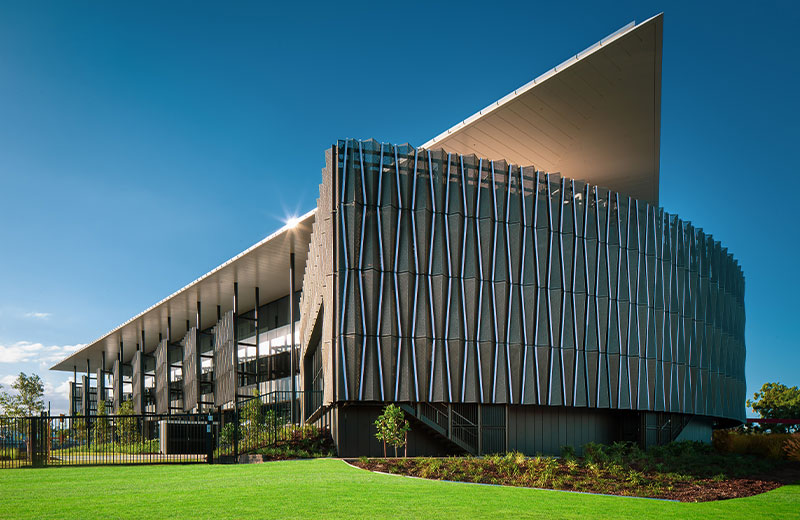
UniSC Sunshine Coast (Sippy Downs) is the main campus — a 100-hectare wildlife reserve with a A$37 million Engineering Learning Hub, nursing and paramedic simulation labs, a 24/7 award-winning library, and a world-class sports precinct that hosts the Sunshine Coast Lightning netball team and Olympic swimming squads.
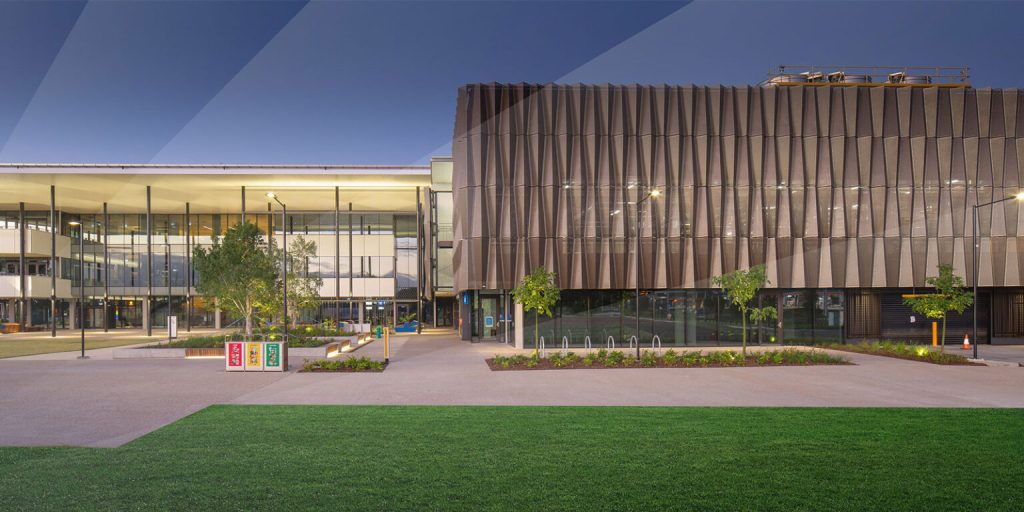
UniSC Moreton Bay (Petrie) is the university’s newest campus, opened in 2020 and quickly establishing itself as an Engineering Hub. It’s a 30-minute express train ride to Brisbane, and hosts over 80 undergraduate and postgraduate programs.
UniSC Fraser Coast (Hervey Bay) offers a relaxed study environment steps from bayside beaches, with direct access to the K’gari Research Station in a UNESCO World Heritage area — ideal for students interested in ecology and environmental science.
UniSC Caboolture sits midway between Brisbane and the Sunshine Coast, featuring a Health Learning and Simulation Centre for nursing students.
UniSC Gympie is nestled among natural surroundings on the doorstep of K’gari Island and the Great Barrier Reef — a remarkable setting for nursing and environmental studies.

Programs That Get Graduates Hired
UniSC offers programs across 11 study areas, from Business and Engineering to Nursing, Psychology, Law, Environmental Studies, and Creative Industries. What sets it apart is an emphasis on practical, employment-ready education — almost every degree includes internships, clinical placements, work-integrated learning, or industry-certified credentials.
The results speak for themselves:
- #1 in Australia for international undergraduate full-time employment (70.5%)
- 89% of all graduates employed within four months of finishing their degree
- A$65,900 median full-time graduate salary
- #6 in Australia for international undergraduate skills development
Study Areas for Nepali Students
| Study Area | Popular Programs | Annual Fee (2026) |
|---|---|---|
| Business & Commerce | Bachelor of Business, MBA, Master of Management | A$28,500–$29,500 |
| Engineering | Civil, Mechanical, Renewable Energy Engineering | A$33,500–$38,500 |
| Nursing | Bachelor of Nursing Science | A$32,500 |
| Environmental Studies | Animal Ecology, Environmental Science, Urban Planning | A$28,500–$31,500 |
| Psychology & Social Sciences | Bachelor of Psychology, Master of Psychology (Clinical) | A$28,500–$33,500 |
| Education | Bachelor of Primary Education, Master of Teaching | A$28,500–$31,500 |
| Science & Technology | Computer Science, Cyber Security & Forensics, ICT | A$28,500–$31,500 |
| Creative Industries | Communication, Design, Creative Industries | A$28,500–$29,500 |
| Medical & Health Sciences | Biomedical Science, Occupational Therapy, Nutrition | A$29,500–$32,500 |
| Law & Criminology | Bachelor of Laws, Bachelor of Criminology & Justice | A$28,500–$33,500 |
| Sport & Exercise Science | Sport & Exercise Science, Clinical Exercise Physiology | A$31,500–$32,500 |
Life at UniSC: What to Expect
Living costs for international students are estimated at A$450–$550 per week in South East Queensland, covering accommodation, food, transport, and daily expenses.
The weather is hard to beat: over 300 days of sunshine per year, an average temperature of 25.5°C, and 7,000 km of Queensland coastline within reach.
Accommodation options near all campuses range from student villages and shared houses to homestay arrangements. The university’s on-campus transit centre connects to public transport across the Sunshine Coast and Queensland Rail.
Student support includes free confidential counselling, academic skills workshops, disability and equity services, career coaching, and the Student Success team — all available across campuses.
Sport is woven into campus life. The UniSC High Performance Student Athlete (HPSA) program provides athletes with gym memberships, sports science testing, clinic access, and tailored academic support. Social sporting clubs cover everything from AFL and basketball to badminton and quadball.
Scholarships: Save From Day One
All commencing international students in 2026 automatically receive the International Student Scholarship — a 15% tuition fee reduction with no application required.
Students enrolling in select programs (including the new Master of Civil, Mechanical, and Renewable Energy Engineering programs, and the Master of Business Intelligence and Analytics) or who are citizens of ASEAN nations including Indonesia, Vietnam, Malaysia, Thailand, the Philippines, and others, are eligible for the International Bright Futures Scholarship — a 20% tuition fee reduction.
English Language Requirements
| Level | IELTS Required |
|---|---|
| Undergraduate | Overall 6.0, minimum 5.5 in each band |
| Postgraduate | Overall 6.5, minimum 6.0 in each band |
| Higher Degree by Research | Overall 6.5, minimum 6.0 in each band |
TOEFL iBT, Pearson Test of English, C1 Advanced, and other recognised tests are also accepted.
2026 Academic Calendar
| Trimester | Dates |
|---|---|
| Trimester 1 | 2 March – 12 June 2026 |
| Trimester 2 | 20 July – 30 October 2026 |
| Trimester 3 | 9 November 2026 – 19 February 2027 |